England Have Their Best Chance of Winning the World Cup Since 1970 – and Tuchel Is the Key
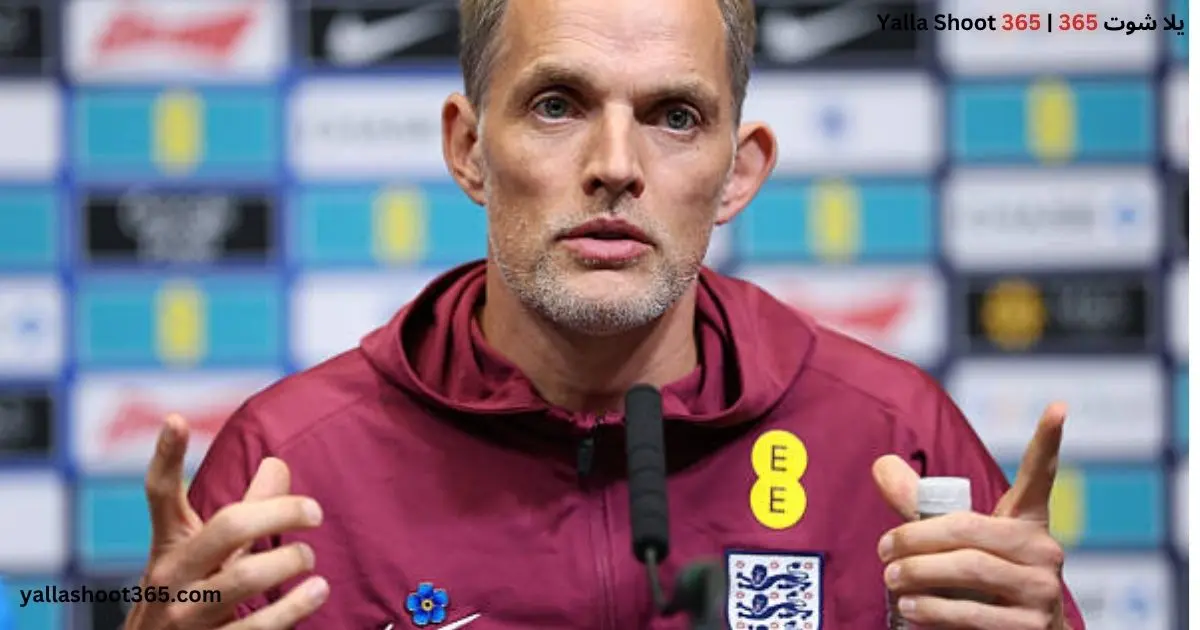
Have Their Best Chance of Winning the World Cup Since 1970 – and Tuchel Is the Key
By Barney Ronay | Adapted & Expanded for Yalla Shoot 365
The English Dream: Why 2026 Feels Different
For over half a century, England fans have endured heartbreak after heartbreak, watching generations of talented squads fall short of ultimate glory. But the upcoming 2026 FIFA World Cup, hosted across the United States, Canada, and Mexico, feels different — it feels like destiny.
Unlike previous tournaments plagued by fatigue, disorganization, or pressure, this event aligns perfectly with England’s evolution. The driving force behind this transformation? Thomas Tuchel — a strategist whose influence has reshaped the English national identity.
As England’s new Technical Director and Tactical Advisor, Tuchel has introduced balance, discipline, and ruthless efficiency. His blueprint combines structure with freedom, and under his watchful eye, Gareth Southgate’s cautious pragmatism has transformed into calculated aggression. The result: an England team that no longer plays to survive but to dominate.
Tuchel’s Tactical Blueprint: From Caution to Controlled Aggression
Tuchel’s methods have redefined how England approach football. His first mission was clear: blend old-school English passion with continental tactical intelligence. The result? A team that controls matches instead of reacting to them.
- Build-up play: Stones and Rice initiate attacks from deep, using pressure to open vertical passing channels.
- Transitions: Swift, sharp, and intelligent — often leading to overloads in the final third.
- Full-backs: Players like Trent Alexander-Arnold and Luke Shaw invert to become secondary playmakers, maintaining control while enabling midfield creativity.
This structured aggression makes England unpredictable and resilient. As Tuchel famously said, “Tactics are not rules. They are patterns for freedom.” England now live that philosophy, blending creativity with control at every phase of play.
The Golden Generation 2.0
The phrase “Golden Generation” once haunted English football — a label for stars who shone in club football but dimmed under the national spotlight. But this version is different. This generation doesn’t chase hype; it delivers results.
Jude Bellingham, Phil Foden, Bukayo Saka, and Declan Rice represent a new era of English excellence. Each has already conquered Europe’s elite competitions, bringing experience, maturity, and confidence.
Key Players Defining the 2026 Project
- Jude Bellingham – The Heartbeat: At Real Madrid, his intelligence and leadership have redefined what it means to be a midfielder. He connects defense and attack seamlessly.
- Phil Foden – The Creative Core: Thriving under Tuchel’s dynamic structure, Foden manipulates tempo and unlocks defenses with ease.
- Bukayo Saka – The Spark: Saka’s combination of pressing, dribbling, and finishing makes him England’s unstoppable force on the right.
- Declan Rice – The Stabilizer: Rice is the tactical glue, covering, intercepting, and dictating rhythm under pressure.
- Harry Kane – The Finisher: Now at Bayern Munich, Kane’s dual role as scorer and playmaker flourishes in Tuchel’s positional system.
Beyond the stars, the depth is exceptional: Cole Palmer, Eberechi Eze, Ezri Konsa, Rico Lewis, and Kobbie Mainoo form a supporting cast that any nation would envy.
England’s Mental Shift: From Hope to Belief
Tuchel’s real transformation has been mental. For decades, England’s biggest opponent wasn’t on the pitch — it was in their heads. Fear of failure, penalty trauma, and media pressure haunted every campaign. Not anymore.
Now, sports psychologists and Tuchel’s data-driven methods emphasize process over pressure. Players are trained to focus on details, not emotions. As the team’s new mantra says: “Details decide.”
The outcome is visible. England adapt mid-match, respond to adversity calmly, and win games they would have once lost. They no longer dream; they believe.
Tactical Evolution in Numbers
According to recent UEFA analytics:
- Average possession: 61% (up from 54% in 2021)
- Final-third entries: +18%
- Pressing efficiency (PPDA): 7.8 (improved from 10.2)
- Expected goals against (xGA): 30% lower since Tuchel’s arrival
These figures prove one thing: England are not just improving; they’re evolving faster than any rival.
The Tuchel–Southgate Partnership
Tuchel’s collaboration with Southgate initially raised eyebrows, but it’s become England’s secret weapon. Southgate brings leadership and empathy; Tuchel adds tactical innovation and precision.
Their partnership mirrors Germany’s 2014 World Cup model under Löw and Flick — harmony between structure and creativity. Together, they’ve built a squad that feels like family but performs like a machine.
Why 2026 Could Be England’s Year
- Tactical maturity: England now play with control and identity.
- Peak player ages: The core will be 23–31 — prime years.
- Depth and rotation: Quality options across all positions.
- Leadership: Kane, Rice, and Walker bring balance and belief.
- Tuchel’s influence: Analytical precision removes unpredictability.
For the first time since 1970, England stand on the verge of destiny — not as dreamers, but as real contenders.
Conclusion: From Promise to Proof
England’s 2026 project is no fairy tale. It’s the outcome of careful planning, tactical evolution, and mental strength. Under Thomas Tuchel, England are no longer waiting for luck — they’re building victory.
If football finally “comes home,” it will be because Tuchel and Southgate created a system that made it inevitable. England’s best chance in over 50 years is not a dream. It’s a design.
Frequently Asked Questions (FAQ)
1. Why is Thomas Tuchel key to England’s World Cup hopes?
Because Tuchel brings tactical intelligence and winning mentality. His analytical approach has given England a clear identity that adapts to opponents effectively.
2. How has England’s style of play changed under Tuchel?
England now combine structured pressing with creative attacking patterns. They play with width, fluidity, and purpose, blending English grit with European sophistication.
3. Can England realistically win the 2026 World Cup?
Yes. With a balanced squad, tactical maturity, and peak-age players, England are legitimate contenders for the 2026 title.
4. Who are England’s standout players for 2026?
Jude Bellingham, Phil Foden, Declan Rice, Bukayo Saka, and Harry Kane — each vital in Tuchel’s system.
5. What makes this generation different from past ones?
This team blends youth and experience with modern tactical education. They’ve already succeeded at elite levels and play without fear or ego.
The England national football team represents England in international football and is governed by The Football Association (FA), the oldest football association in the world, founded in 1863. England played the first-ever international football match in 1872 against Scotland. The team is known for its passionate fan base and rich football history. England won the FIFA World Cup in 1966 when they hosted the tournament, defeating West Germany 4–2 in the final at Wembley Stadium. Over the years, the team has featured legendary players such as Bobby Charlton, David Beckham, and Harry Kane. England competes in major tournaments like the UEFA European Championship and the FIFA World Cup, consistently ranking among the world’s top football nations.
The Premier League is the top professional football division in England and represents the highest tier of the English football league system. Comprising 20 clubs, it operates under a promotion and relegation structure with the English Football League (EFL). Each season runs from August to May, with every club playing 38 matches—one home and one away against each opponent. Most fixtures are held on weekends, while some take place on weekday evenings.
Established on 20 February 1992 as the FA Premier League, the competition emerged when top-tier clubs from the old First Division decided to form a new, commercially independent league. Despite the separation, promotion and relegation between the Premier League and the EFL Championship continue each season. The league is structured as a corporation owned by its member clubs and led by a chief executive.
Financially, the Premier League is among the most lucrative sports competitions globally. It benefits from multibillion-pound television deals, including a £5 billion domestic broadcasting agreement with Sky and BT Group, which will increase to £6.7 billion between 2025 and 2029. International broadcasting rights also contribute significantly, generating £5.6 billion for the 2022–2025 cycle. For the 2023–24 season, clubs collectively received £2.8 billion in central payments, with extra funds distributed to relegated teams as solidarity support.
Globally, the Premier League is the most watched sports league, reaching audiences in over 212 territories and approximately 643 million households, with a potential viewership of 4.7 billion people. It also boasts the world’s highest average match attendance, with around 40,000 fans per game. Stadiums are regularly filled to capacity.
In UEFA rankings, the Premier League currently holds the top position based on club performances in European competitions, surpassing Italy’s Serie A. English clubs have collectively won 15 European Cups or Champions League titles, the second-highest total in history, achieved by six different teams.
Since 1992, a total of 51 clubs have participated in the league, 49 from England and two from Wales. Seven clubs have been crowned champions: Manchester United (13 titles), Manchester City (8), Chelsea (5), Arsenal (3), Liverpool (2), Blackburn Rovers (1), and Leicester City (1). Only six clubs—Arsenal, Chelsea, Everton, Liverpool, Manchester United, and Tottenham Hotspur—have competed in every Premier League season